

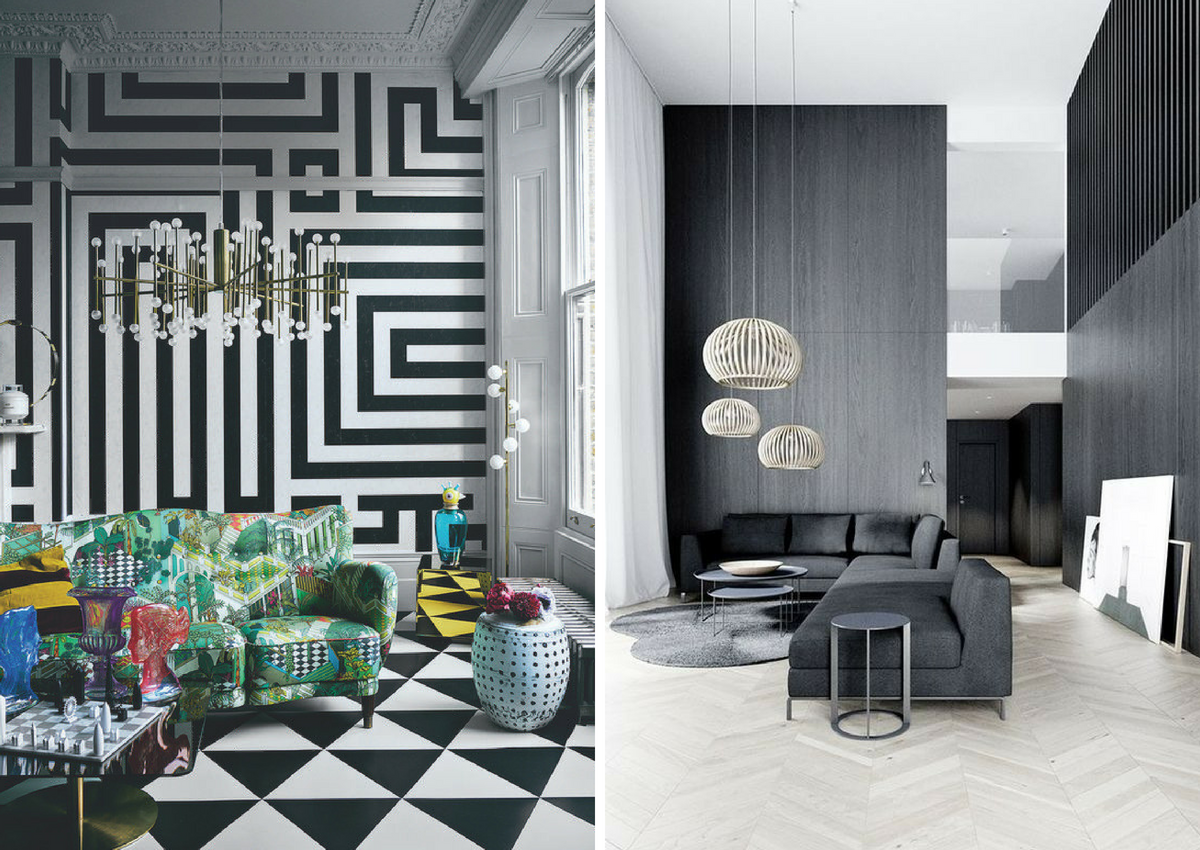
Introduction
Minimalist and maximalist decor represent two contrasting design philosophies, yet both offer meaningful ways to express personality through a living space. Understanding their core principles can help you determine which approach aligns with your habits, comfort level, and aesthetic preferences.
What Is Minimalist Decor?
Key Characteristics
Minimalist decor focuses on simplicity, intentional design, and visual clarity. Spaces are uncluttered, functional, and calm.
Common Elements
-
Neutral color palettes such as whites, grays, and soft earth tones
-
Clean, sleek lines in furniture and architecture
-
Open layouts with plenty of negative space
-
Limited accessories chosen for function or meaning
-
Emphasis on light and natural materials
Benefits of Minimalist Decor
-
Promotes a peaceful, stress-free environment
-
Reduces clutter and maintenance
-
Enhances small spaces by creating an airy feel
-
Helps highlight purposeful design choices
-
Encourages mindful purchasing and sustainability
Who It’s Best For
Minimalism is ideal for those who prefer order, dislike visual clutter, and appreciate serene, open environments with a sense of calm.
What Is Maximalist Decor?
Maximalist decor embraces expressive abundance. It thrives on bold visuals, layers, and rich personal storytelling.
Common Elements
-
Vibrant colors and bold contrasts
-
Mixed patterns blending floral, geometric, and artistic motifs
-
Statement furniture with dramatic shapes or materials
-
Gallery-style walls filled with art and decor
-
Layered textures in rugs, throws, cushions, and fabrics
Benefits of Maximalist Decor
-
Offers limitless creative freedom
-
Allows personal collections and memorable items to shine
-
Creates warm, lively, and inviting rooms
-
Encourages experimentation with color and pattern
-
Adds depth and visual interest to larger spaces
Who It’s Best For
Maximalism suits individuals who love artistic expression, enjoy collecting meaningful pieces, and feel energized by lively, dynamic surroundings.
How to Choose the Style That Fits You
Consider Your Daily Lifestyle
Your habits often reveal which style supports your comfort.
-
If you prefer clear surfaces and less upkeep, minimalism may be the best match.
-
If you enjoy displaying art, souvenirs, or decorative objects, maximalism may feel more natural.
Evaluate Your Emotional Preferences
Different environments evoke different feelings.
-
Minimalist rooms offer clarity and calm.
-
Maximalist rooms spark creativity and vibrancy.
Understanding which emotion you gravitate toward can guide your design choice.
Think About Your Space
Some homes naturally complement certain styles.
-
Small apartments often feel more open with minimalist design.
-
Larger homes or rooms with architectural character thrive with maximalist layering.
Consider a Hybrid Approach
You don’t have to commit completely to either style. Many people blend the two by using:
-
A minimalist base with maximalist accents such as colorful art or textiles
-
A maximalist core controlled by minimalist furniture to avoid overwhelm
A balanced mix can result in a unique and personalized aesthetic.
Minimalist vs. Maximalist: A Quick Comparison
| Feature | Minimalist Decor | Maximalist Decor |
|---|---|---|
| Color Palette | Neutral and soft | Vibrant and layered |
| Textures & Patterns | Minimal and subtle | Mixed and bold |
| Furniture Style | Simple and functional | Dramatic and expressive |
| Accessories | Few and intentional | Many and artistic |
| Overall Mood | Calm and airy | Energetic and rich |
| Maintenance Level | Low | Medium to high |
Conclusion
Both minimalist and maximalist decor offer valuable ways to shape your home environment. Minimalism brings serenity and clarity, while maximalism brings vibrancy and individuality. The right choice is the one that supports your daily life and reflects your personality. Whether you prefer clean and spacious or bold and expressive, your decor should make your home feel like your most comfortable place.
FAQs
1. Can I switch from minimalist to maximalist decor without fully redecorating?
Yes, you can shift gradually by adding or removing accessories, incorporating new colors, or adjusting patterns.
2. Is maximalism the same as clutter?
No. True maximalism is curated and intentional, not random accumulation.
3. Which style is more budget-friendly?
Both can be budget-friendly depending on how you approach them. Minimalism may require fewer items, while maximalism allows for thrifted, vintage, or repurposed pieces.
4. How can I prevent a minimalist space from feeling too empty?
Add warm textures, soft lighting, plants, or subtle artwork to create comfort and balance.
5. What colors work well in a minimalist home?
Soft neutrals like white, beige, gray, taupe, and muted pastels work beautifully.
6. Does maximalism work in small spaces?
It can, but it requires strategic layering and thoughtful arrangement to avoid overwhelming the room.
7. How do I start decorating if I like elements of both styles?
Begin with a neutral base, then gradually introduce color, pattern, and accessories until you find the balance that feels right.