

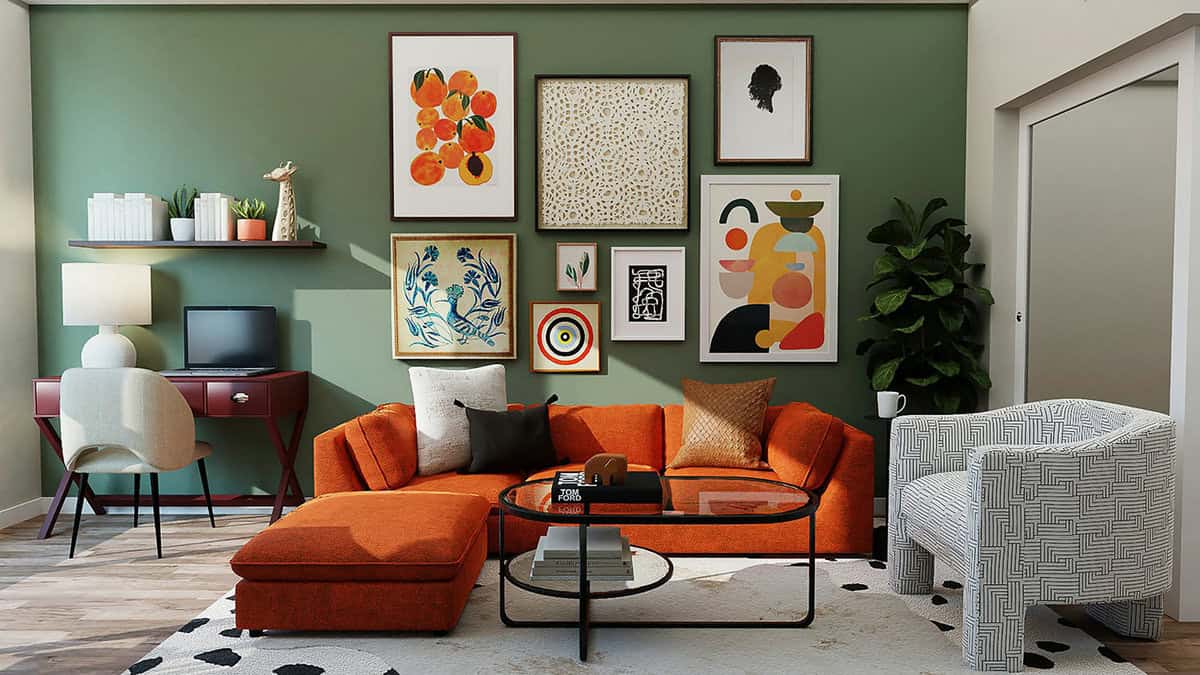
Introduction
Great interior design isn’t about filling a room with expensive décor. It’s about understanding how shapes, colors, textures, and proportions work together to create a sense of visual and emotional balance. Professionals rely on tested design principles that help every space feel intentional and harmonious.
Understanding the Foundation of Harmonious Design
1. The Power of Balance
Balanced rooms feel calm and organized because visual weight is distributed evenly. Designers typically use three types of balance:
-
Symmetrical balance: Mirrored placement for a formal, orderly look.
-
Asymmetrical balance: Different objects with similar visual weight for a relaxed, modern feel.
-
Radial balance: Elements arranged around a central point, often used with lighting fixtures or round tables.
Achieving harmony begins with choosing which form of balance best suits the function and style of the space.
2. Color as a Unifying Force
Color palettes guide the entire mood of a room. Professionals rely on strategies such as:
-
The 60–30–10 rule for primary, secondary, and accent colors.
-
Analogous schemes for a soft, cohesive look.
-
Complementary schemes for contrast and energy.
-
Tone and saturation control to keep strong colors from overwhelming the room.
Designers also make sure colors flow from one room to another, establishing continuity across the home.
3. Strategic Use of Lighting
Light shapes ambiance and influences how textures, colors, and architectural details appear. A harmonious interior layers multiple lighting types:
-
Ambient lighting for overall illumination.
-
Task lighting for focused activities.
-
Accent lighting to highlight art, shelves, and architectural elements.
Natural light is equally vital. Professionals position mirrors and reflective surfaces to amplify brightness and open up the space.
4. Purposeful Space Planning
The layout determines how easily people move and interact within a room. Designers begin with the room’s function, then map out furniture placement to support comfort and flow.
Key principles include:
-
Ensuring walkways are unobstructed.
-
Avoiding oversized pieces that disrupt proportion.
-
Positioning major furniture according to focal points.
-
Creating distinct zones in multifunctional rooms.
Good layouts make a room feel intuitive without overcrowding it.
5. Texture and Materials for Depth
Even minimalist spaces feel flat without texture. Designers mix materials to add dimension and personality. This might include pairing:
-
Smooth surfaces with rough finishes
-
Natural fibers with sleek metals
-
Matte textures with glossy accents
This balance prevents monotony and helps the room feel layered and complete.
6. The Role of Focal Points
Every professionally designed room has a visual anchor, such as a fireplace, large window, statement artwork, or distinctive furniture piece. A strong focal point:
-
Draws attention
-
Grounds the layout
-
Helps guide color and décor choices
Without it, a space feels directionless and disjointed.
7. Editing and Curating Objects
Harmonious spaces rely on what designers call intentional editing. This means keeping only the pieces that serve a purpose or contribute aesthetic value.
Professionals avoid clutter by:
-
Choosing fewer, high-impact accessories
-
Using meaningful décor rather than generic fillers
-
Leaving empty space so the room can “breathe”
This careful curation is often what separates polished interiors from chaotic ones.
How Designers Maintain Cohesion Across a Home
Harmony isn’t limited to individual rooms. Designers maintain a consistent theme throughout the home by repeating elements such as:
-
Shared color palettes
-
Similar metal finishes
-
Coordinated wood tones
-
Recurring shapes or motifs
This subtle repetition ties rooms together while still allowing each space to retain its character.
FAQs
1. How do I choose the right color palette for my home?
Start with the mood you want to create, identify a base color you love, and build from there using the 60–30–10 rule for balance.
2. What is the easiest way to make a room look more cohesive?
Limiting your color palette and repeating materials or finishes across the room creates instant cohesion.
3. How do I know if my furniture is the right scale?
Ensure pieces fit comfortably within the layout, leaving adequate walking space. Large rooms can handle bold furniture, while small spaces need compact, proportional pieces.
4. Why does my room still feel cluttered even after organizing?
You may have too many decorative items. Editing out unnecessary accessories usually improves harmony more than storage solutions.
5. How important is natural light in creating a harmonious space?
It’s essential. Natural light enhances color, emphasizes texture, and expands the perceived size of a room.
6. How can I blend different design styles without creating chaos?
Choose one dominant style, then incorporate elements from another style in small, intentional accents.
7. What’s the most common mistake people make in interior design?
Ignoring balance—whether in scale, color, or layout. Even beautiful pieces can look awkward if the room feels visually off-center.