

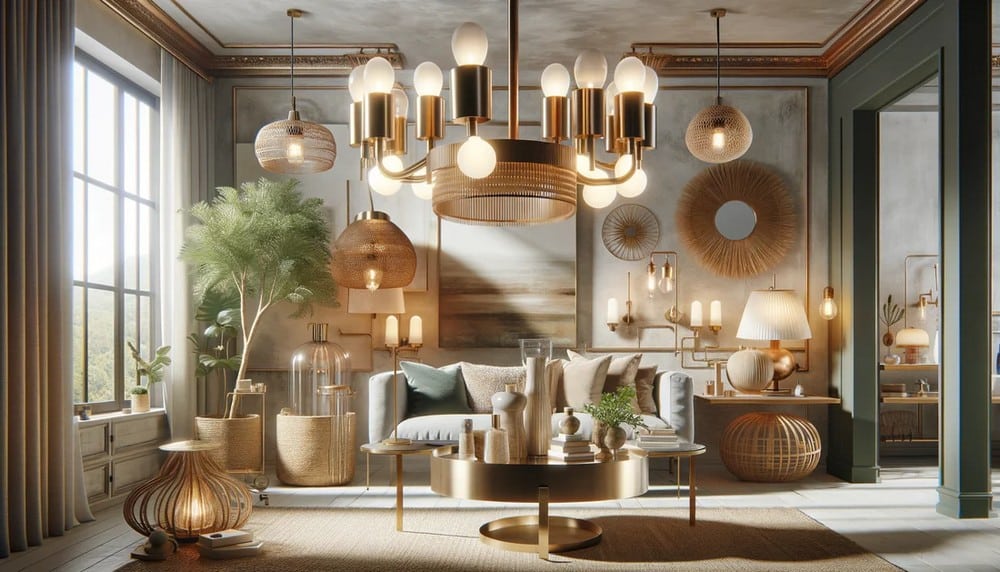
Lighting shapes the personality and functionality of every interior space. It influences how we perceive colors, textures, and proportions while also impacting comfort, mood, and productivity. Smart lighting design blends creativity with modern technology to create interiors that feel intentional, adaptable, and visually engaging.
Why Lighting Matters in Interior Design
Lighting sets the emotional tone of a room. Even the most beautifully furnished space can feel flat or uncomfortable if poorly lit. Thoughtful lighting ensures each area looks great and serves its purpose effectively.
-
Enhances ambiance by creating warmth or coolness as needed
-
Improves visibility for daily tasks and activities
-
Emphasizes architectural features and décor elements
-
Boosts energy efficiency with the right fixtures and controls
-
Supports well-being by mimicking natural light patterns
The Three Fundamental Layers of Lighting
Ambient Lighting
This is the primary source of illumination that provides overall brightness. It includes ceiling fixtures, chandeliers, recessed lights, or large pendants. Ambient lighting sets the foundation for a balanced visual environment.
Task Lighting
Task lighting is functional, focusing on areas where clarity is essential. It is ideal for:
-
Reading or study nooks
-
Kitchen countertops
-
Home office desks
-
Bathroom mirrors and grooming areas
It minimizes eye strain and enhances accuracy in daily tasks.
Accent Lighting
Accent lighting adds depth and dimension by drawing attention to key features. It highlights artwork, architectural details, textured walls, or decorative objects. This layer brings drama, sophistication, and visual interest to a space.
Integrating Smart Technology for Enhanced Lighting
Automated Controls
Smart lighting systems make it easy to schedule scenes, control brightness, and adjust color temperature. With voice commands or app-based controls, homeowners enjoy seamless flexibility.
Adaptive Dimming
Dimmable LEDs allow you to adjust light intensity based on time of day or activity. Soft lighting enhances relaxation, while brighter levels support productivity or entertaining.
Color Temperature Tuning
Modern smart bulbs offer warm-to-cool adjustments. Warm tones promote comfort in living and bedroom spaces, while cooler tones enhance focus in work zones.
Maximizing Natural Light
Natural light remains the most beautiful and energy-efficient source. Enhancing daylight can dramatically uplift interiors.
-
Use light-colored walls to reflect brightness
-
Install sheer window treatments to soften glare without blocking sunlight
-
Position mirrors strategically to bounce natural light deeper into the room
-
Keep windows clean to maximize clarity and brightness
Choosing the Right Fixtures
Selecting well-designed fixtures reinforces both style and function.
Pendant and Chandeliers
Perfect for dining areas or entryways, these become statement pieces while providing ample illumination.
Recessed Lighting
Ideal for clean, streamlined ceilings, offering general lighting without visual clutter.
Wall Sconces
Useful for hallways, bathrooms, or bedrooms, adding soft lateral illumination.
LED Strips
Great for under-cabinet lighting, shelving, or architectural edges, creating glow and emphasizing form.
Design Tips for Transformative Lighting
-
Layer different light sources for balance and flexibility
-
Use dimmers in key rooms like bedrooms, living rooms, and dining areas
-
Choose bulbs wisely, considering lumens and color temperature
-
Highlight textures with directional lighting to create depth
-
Consider smart integration for convenience and energy savings
FAQ
1. How can lighting affect the mood of a room?
Lighting controls warmth, brightness, and color, all of which influence how relaxing, energetic, or inviting a space feels.
2. What’s the best lighting for a home office?
Cooler, brighter task lighting helps maintain focus and reduces eye strain during work.
3. How do I choose the right color temperature for each room?
Warm tones suit living and sleeping spaces, while cooler tones work best for kitchens, bathrooms, and work areas.
4. Are smart lighting systems energy efficient?
Yes. Smart systems allow precise control over usage, dimming, and scheduling, reducing unnecessary energy consumption.
5. What type of lighting is best for highlighting artwork?
Accent lighting such as track lights or adjustable spotlights works well for emphasizing art.
6. Can natural light replace artificial lighting?
Natural light is valuable but not always sufficient. Pairing daylight with a layered lighting plan ensures consistent illumination.
7. How important are dimmers in lighting design?
Dimmers offer greater control, helping tailor the lighting for relaxation, entertainment, or productivity.