

Introduction
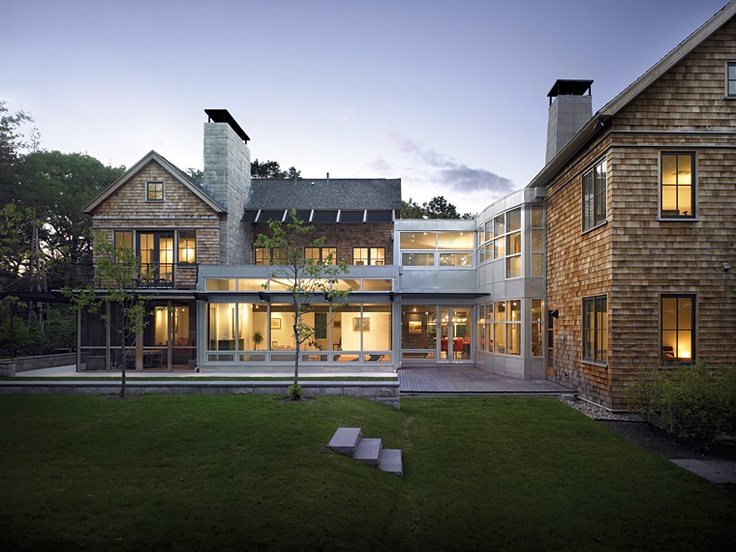
Traditional architecture embodies cultural memory, regional craftsmanship, and historic value. At the same time, modern life demands efficiency, comfort, and flexible space. Successfully blending old and new requires a design approach that respects heritage while embracing innovation. This balance creates structures that remain functional, sustainable, and visually engaging for decades to come.
Understanding the Importance of Traditional Architecture
Preserving Cultural Identity
Architectural heritage keeps local traditions alive. Maintaining these structures helps communities retain their distinct identity and strengthens the connection between past and present.
Environmental Responsibility
Working with existing structures minimizes demolition waste and reduces the environmental cost of producing new materials. Retrofitting instead of rebuilding is one of the most sustainable approaches to construction.
Enduring Aesthetic Quality
Traditional buildings often feature handcrafted details, natural materials, and proportions that modern architecture can complement, not replace. These timeless characteristics enrich contemporary design.
Innovative Ways to Modernize Traditional Architecture
1. Integrating Modern Materials Thoughtfully
Blending new materials with traditional forms enhances durability and function without diminishing historic character.
Examples include:
-
Glass extensions that introduce natural light while keeping original walls intact
-
Steel reinforcements that strengthen aging structures
-
Composite materials for energy-efficient facades that mimic traditional textures
2. Updating Interiors While Preserving Exteriors
Renovations can transform the interior layout while keeping the heritage façade untouched.
Modern updates may involve:
-
Open-plan living spaces
-
Hidden storage solutions
-
Minimalist finishes that highlight original detailing
3. Incorporating Smart Building Technologies
Technology enhances comfort and efficiency without altering the architectural narrative.
Key upgrades include:
-
Smart lighting and climate control
-
Energy-efficient HVAC systems
-
Advanced insulation and weatherproofing
4. Enhancing Natural Light and Ventilation
Traditional homes sometimes lack adequate daylight or airflow. Modern solutions can help without altering historical integrity.
Approaches include:
-
Skylights positioned carefully to maintain rooflines
-
Light wells or internal courtyards
-
Slim-frame windows that replicate traditional designs
5. Adopting Sustainable Retrofits
Sustainability plays an essential role in modernization. Retrofitting older buildings with eco-friendly technologies creates long-term value.
Examples:
-
Solar panels placed discreetly
-
Rainwater harvesting systems
-
High-performance windows and doors
-
Low-impact insulation made from natural materials
6. Creating Harmonious Contrasts
Sometimes the most compelling designs arise from deliberate contrast. Pairing contemporary elements with traditional architecture creates visual interest.
Design strategies:
-
Modern furniture set against rustic stone walls
-
Contemporary staircases inside historical shells
-
Sleek metal accents alongside wooden beams
7. Respecting Craftsmanship Through Restoration
Restoring original details keeps the essence of the building alive.
Methods include:
-
Repairing traditional timber joinery
-
Repointing historic masonry
-
Preserving decorative plasterwork or carving
Instead of replacing old elements, skilled restoration can elevate the architectural value.
Practical Tips for a Successful Blend
-
Study local heritage guidelines to ensure compliance
-
Work with specialists in restoration and conservation
-
Prioritize structural safety before aesthetic modifications
-
Choose reversible interventions to protect long-term heritage value
-
Balance authenticity with functionality so the building remains enjoyable to live or work in
Conclusion
Modernizing traditional architecture is an art of balance—bringing together the soul of the past with the innovations of the present. By using thoughtful materials, technology, and design strategies, architects can create spaces that honor heritage while meeting the needs of today’s lifestyles. The result is architecture that is sustainable, meaningful, and inspiring.
FAQ
1. How do architects ensure modernization doesn’t damage historical value?
They use reversible interventions, consult heritage regulations, and collaborate with conservation specialists to preserve key features.
2. Are modern materials compatible with old buildings?
Yes, when chosen carefully. Materials such as glass, steel, and composites can enhance structure and performance without overwhelming original elements.
3. Can smart home technology be integrated into older buildings?
Absolutely. Smart systems can be installed discreetly, ensuring modern comfort without altering the visual identity of the architecture.
4. What is the most sustainable way to modernize a heritage building?
Retrofitting for energy efficiency—such as improving insulation, using natural materials, and adding renewable energy systems—is the most sustainable approach.
5. How can natural light be increased without altering historic exteriors?
Solutions like light wells, interior glass partitions, and carefully positioned skylights improve brightness while preserving exterior aesthetics.
6. What challenges arise when blending old and new design elements?
Common challenges include structural limitations, regulatory constraints, and ensuring new additions complement rather than overpower traditional features.
7. Is it possible to completely transform interiors while keeping a historic façade?
Yes. Many successful renovations maintain the external appearance while redesigning interior layouts to suit modern living.