

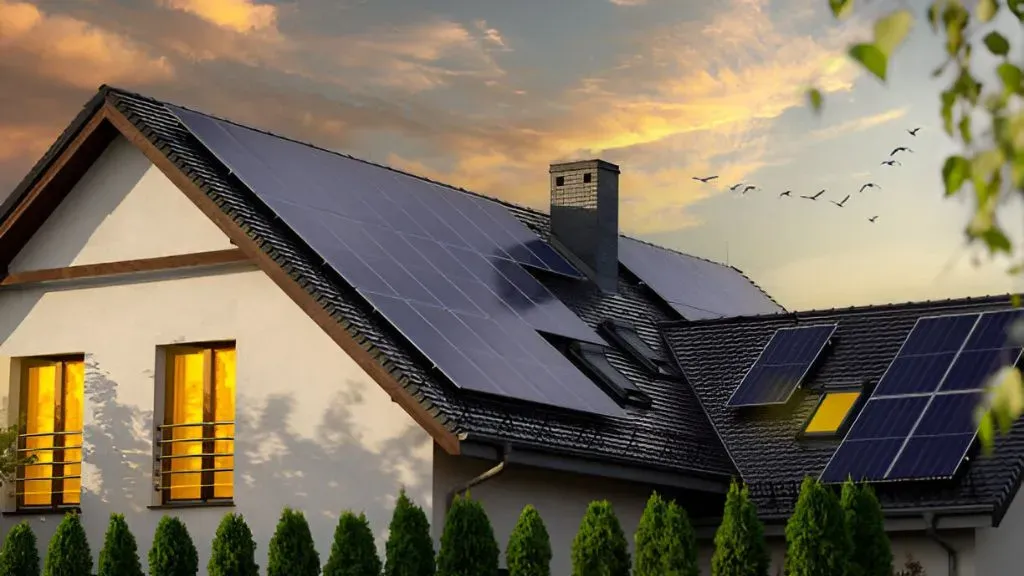
Energy-efficient upgrades and sustainable materials are no longer niche choices—they’re practical, cost-saving investments. Making thoughtful improvements can cut monthly expenses, reduce resource consumption, and create a healthier living environment. Here’s a clear, actionable guide to the most impactful eco-friendly home upgrades.
Energy-Efficient Heating and Cooling
Heating and cooling make up a large portion of household energy use. Optimizing these systems delivers significant long-term savings.
Upgrade to High-Efficiency HVAC
Modern HVAC systems use far less energy while providing consistent comfort. Look for ENERGY STAR–certified models and consider equipment with smart features for better control.
Install a Smart Thermostat
Smart thermostats adjust temperature based on schedules and occupancy. Benefits include:
-
Lower energy waste
-
Automated comfort settings
-
Insightful usage reports
Improve Home Insulation
Proper insulation keeps warm air inside during winter and blocks heat during summer. Focus on key areas:
-
Attic and roof
-
Exterior walls
-
Crawl spaces and basements
Renewable Energy Options
Lower your energy bills and reduce your carbon footprint by tapping into renewable sources.
Solar Panels
Solar power remains one of the most effective eco-friendly upgrades. While initial installation can be costly, the long-term returns include:
-
Significantly lower electricity bills
-
Increased property value
-
Possible tax incentives
Solar Water Heating
These systems use sunlight to heat water, reducing reliance on gas or electric heaters and lowering monthly utility costs.
Water-Saving Improvements
Conserving water helps protect a limited resource while lowering bills.
Install Low-Flow Fixtures
Modern low-flow faucets, showerheads, and toilets maintain strong performance with much less water.
Collect Rainwater
Rain barrels or integrated harvesting systems allow homeowners to reuse rainwater for:
-
Garden irrigation
-
Outdoor cleaning
-
Landscaping maintenance
Sustainable Building Materials
Using eco-conscious materials during renovations supports healthier indoor spaces and reduces environmental impact.
Choose Renewable or Recycled Materials
Consider:
-
Bamboo or cork flooring
-
Recycled metal or glass tiles
-
Reclaimed wood for decorative and structural use
Opt for Low-VOC Paints
Low-VOC (volatile organic compound) paints improve indoor air quality by emitting fewer chemicals.
Energy-Saving Lighting and Appliances
Lighting and appliances consume energy continuously, making efficient options essential.
Switch to LED Lighting
LED bulbs last longer and use a fraction of the energy of incandescent lights.
Upgrade to Efficient Appliances
Look for efficient models for:
-
Refrigerators
-
Dishwashers
-
Washing machines
-
Dryers
These appliances consume less water and electricity while offering advanced features.
Create a Greener Outdoor Space
An eco-friendly home extends beyond the walls of your house.
Plant Native Landscaping
Native plants require less water and maintenance because they’re adapted to the local climate.
Use Sustainable Outdoor Materials
Options such as recycled composite decking or permeable pavers enhance your yard while minimizing environmental impact.
Frequently Asked Questions
1. How do eco-friendly home improvements impact property value?
Homes with energy-efficient upgrades often attract buyers and can command higher resale prices due to lower operating costs.
2. Are solar panels worth the investment for smaller homes?
Yes. Even small homes can generate meaningful energy savings with a modest solar array.
3. What’s the easiest eco-friendly improvement for beginners?
Switching to LED lighting and installing smart thermostats provide quick, affordable benefits.
4. Can insulation upgrades reduce noise as well as energy loss?
High-quality insulation also improves soundproofing, creating a quieter indoor environment.
5. How long do low-flow fixtures typically last?
Most are designed to last as long as standard fixtures—often a decade or more with proper maintenance.
6. Are bamboo floors durable compared to hardwood?
High-quality bamboo flooring is extremely durable and often harder than many traditional hardwoods.
7. What eco-friendly upgrade has the fastest return on investment?
LED lighting, weatherstripping, and smart thermostats typically deliver the quickest payback due to low upfront costs.