

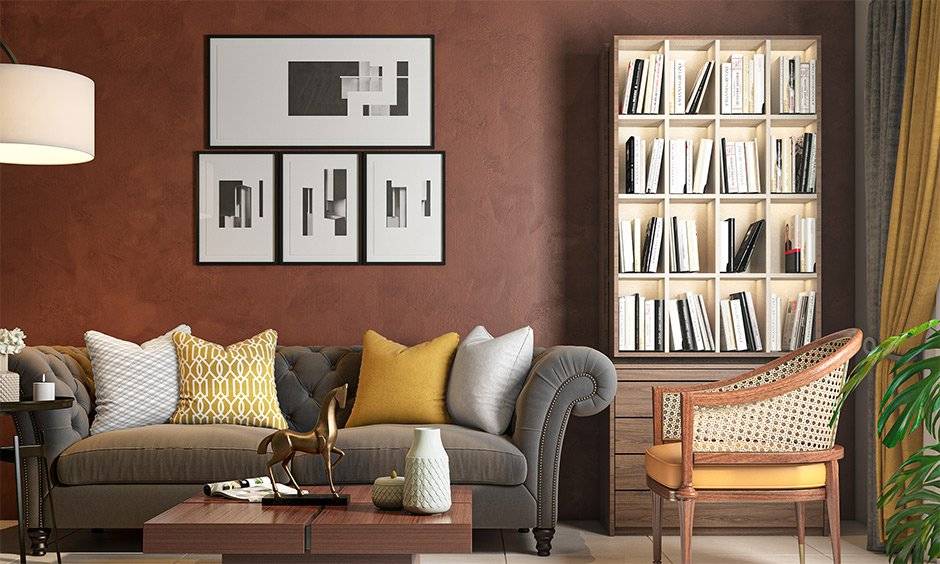
Refreshing your home can be rewarding, but even small design errors can impact the final look and functionality of your space. Being aware of common pitfalls helps you create interiors that feel balanced, comfortable, and timeless.
Prioritizing Style Over Function
It’s tempting to choose stunning furniture or décor, but if it doesn’t fit your lifestyle or daily needs, the beauty quickly fades.
Avoid These Missteps
-
Buying furniture that looks nice but lacks comfort
-
Selecting pieces too large or too small for the room
-
Skipping durable materials in high-traffic areas
Better Alternatives
-
Sit, test, and measure before purchasing
-
Consider how you use the space every day
-
Choose performance fabrics and scratch-resistant surfaces
Poor Lighting Choices
Lighting shapes mood, depth, and usability. Relying on a single light source or improper lighting temperature can make even a well-designed room fall flat.
-
Using only overhead lighting
-
Choosing harsh, cool bulbs in cozy rooms
-
Forgetting task lighting in kitchens or workspaces
What Works Better
-
Combine ambient, task, and accent lighting
-
Use warm light for relaxing areas
-
Add dimmers to give your space flexibility
Choosing the Wrong Color Palette
Colors greatly influence perception and emotional feel. A mismatched or overwhelming palette can disrupt the harmony of your home.
Frequent Color Mistakes
-
Going too bold without balance
-
Ignoring natural light when selecting hues
-
Matching everything too perfectly, creating a flat look
Smart Solutions
-
Test paint samples at different times of day
-
Mix neutral bases with pops of color
-
Vary tones and textures for visual depth
Overcrowding the Space
Filling every corner with décor or unnecessary furniture can make a room feel cluttered and cramped.
Signs You’re Overdoing It
-
Narrow walkways or blocked doorways
-
Too many small décor pieces
-
Unclear focal point
How to Improve
-
Give furniture “breathing room”
-
Choose a statement focal point
-
Opt for fewer but higher-quality décor elements
Neglecting Scale and Proportion
A beautifully designed room depends on balanced proportions. Oversized or undersized pieces disrupt the flow.
Mistakes to Avoid
-
Tiny rugs under large furniture
-
Small art on big walls
-
Lamps or tables at awkward heights
Quick Fixes
-
Choose rugs large enough to anchor key furniture
-
Create gallery walls or use larger artwork
-
Measure lamp and table height relations before buying
Forgetting About Storage
A visually stunning room loses its charm if clutter takes over. Poor storage planning often leads to messy surfaces and reduced functionality.
Common Storage Slip-Ups
-
No closed storage for daily essentials
-
Ignoring vertical space
-
Relying solely on decorative baskets
Better Storage Approaches
-
Use built-ins or multi-functional furniture
-
Add floating shelves for vertical organization
-
Keep visible surfaces as clear as possible
Hanging Artwork Incorrectly
Even the perfect artwork can look off if hung at the wrong height or without proper arrangement.
Frequent Errors
-
Hanging art too high
-
Spacing frames unevenly
-
Using pieces too small for large walls
Recommended Practices
-
Aim for eye-level placement (about 57–60 inches from floor)
-
Maintain consistent spacing
-
Group smaller pieces for better balance
Ignoring Personal Style
Trends come and go, but designing purely based on what’s popular can make your home feel impersonal.
Watch Out For
-
Following every trend on social media
-
Copying a showroom without adapting it
-
Avoiding pieces that reflect your personality
What To Do Instead
-
Mix timeless foundations with a few trend-based accents
-
Display meaningful items like travel finds or heirlooms
-
Let your lifestyle guide your design decisions
Frequently Asked Questions
1. How do I choose the right furniture size for my room?
Measure the space first, consider traffic flow, and ensure furniture allows comfortable movement without overcrowding.
2. What wall color is the safest choice if I’m unsure?
Neutral tones like soft beige, warm white, or light gray are flexible and pair well with most styles.
3. How can I add personality without overwhelming the room?
Incorporate accent pieces, artwork, or textiles that represent your taste while keeping larger elements timeless.
4. What is the best way to create a cohesive design throughout the home?
Use a unified color palette, consistent materials, and repeating elements such as metal finishes or textures.
5. How can I avoid lighting mistakes in small spaces?
Blend layered lighting, use reflective surfaces, and favor warm tones that make the area feel inviting.
6. What’s the most budget-friendly way to refresh a room?
Focus on swapping textiles, updating lighting, and rearranging furniture before buying new pieces.
7. How do I know which trends are worth incorporating?
Choose trends that genuinely appeal to your style and complement your existing décor rather than forcing a complete theme shift.