

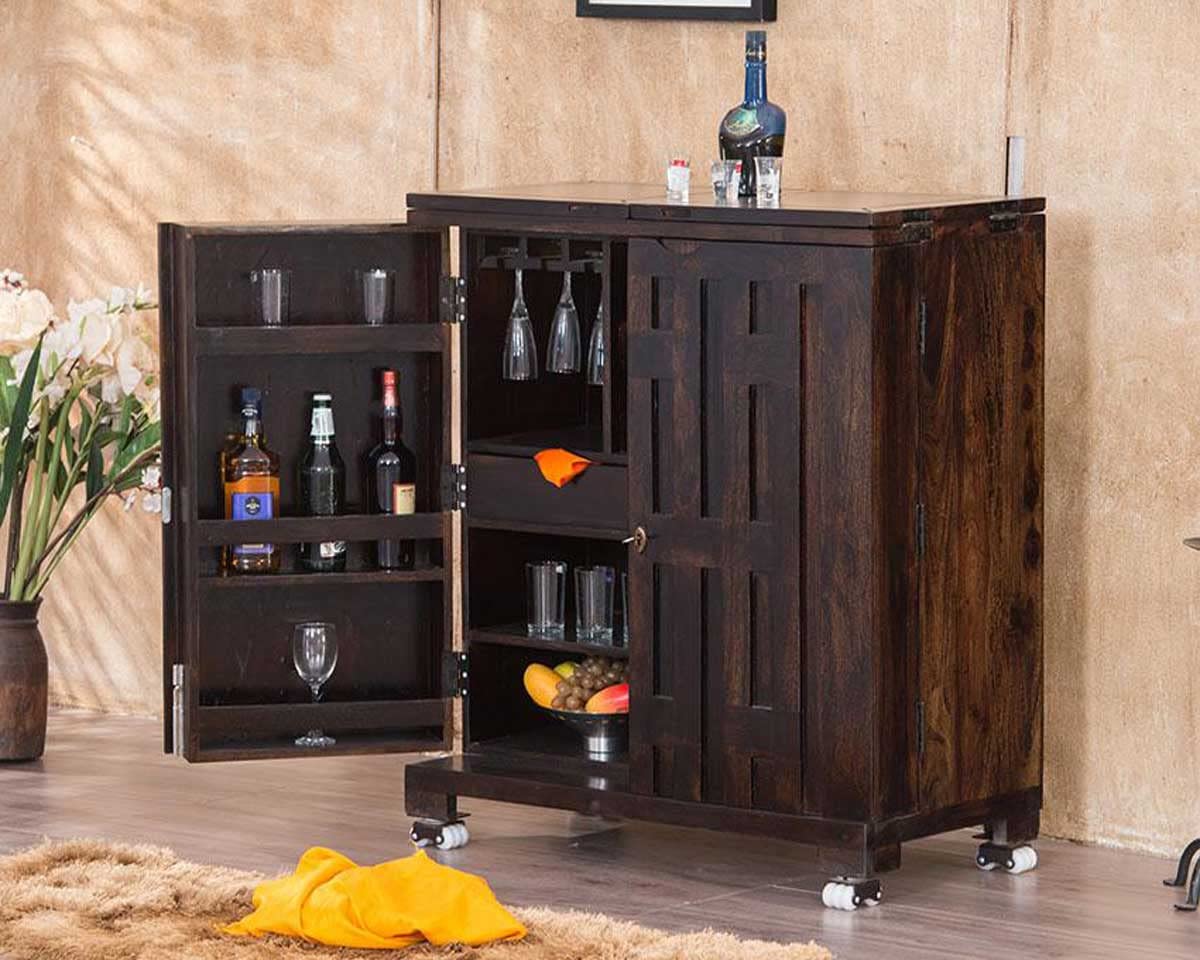
A well-planned bar keeps the host inside the conversation
Hosting loses some of its charm when every drink requires a search. Bottles hide behind one another, glasses sit in another room, and mixers crowd the refrigerator door. The host spends more time gathering supplies than enjoying the gathering. We believe a home bar should shorten those small journeys and make serving feel natural. A practical setup can be developed around home bar liquor storage, based on the room, collection size, serving habits, and preferred style. The aim is not to display every bottle owned. It is to create a clear place for the items used most often.
This guide explores storage zones, bottle access, glassware, lighting, and future growth. We will show how a small corner can work as effectively as a large dedicated room. Modular bar collections can combine shelves, cabinets, bottle displays, and deeper base units for spirits, mixers, glassware, and nonalcoholic drinks. The right arrangement should look settled even when the bar is in active use. It should also make cleanup simple after guests leave. By planning around real routines, homeowners can build a beverage area that feels welcoming without turning the room into a crowded bottle display.
What should you store before choosing the bar furniture
Start by placing every bar item in one area. Count tall spirit bottles, standard bottles, mixers, glasses, tools, trays, and unopened backups. Note which items appear during most gatherings. Daily-use bottles deserve easier access than special selections that are opened only once a year. Tall bottles may need adjustable shelves, while delicate glasses benefit from protected storage. This inventory reveals the type of furniture the room actually needs.
Use these groups while sorting
- Frequently served spirits and mixers
- Reserve bottles and unopened backups
- Cocktail tools and serving accessories
- Everyday and special glassware
- Zero-proof drinks and guest favorites
Remove empty bottles kept only through habit. Check whether open mixers still belong in the bar or require refrigeration. Keep small tools together so they do not disappear behind bottles. Once the collection is sorted, measure the largest items. A useful storage system begins with the contents rather than an attractive cabinet chosen too early.
How can storage zones make drink service feel smoother
A home bar works best when related tasks stay close together. Build the arrangement around the order in which a drink is prepared and served.
- Place the main bottles within easy reach
Keep common spirits between waist and eye level. Labels should remain visible without having to move several bottles. Reserve lower or higher shelves for less-used selections.
- Create one space for glassware
Store glasses close to the serving surface. Separate fragile stemware from heavy tumblers when possible. Leave enough room to lift each glass without striking the shelf above.
- Keep tools beside the work area
Shakers, strainers, openers, and measuring tools should share one drawer or container. Arrange them in the order used. A simple tool zone prevents repeated searches during service.
- Give mixers their own section
Group shelf-stable mixers, garnishes, and zero-proof options together. Check dates during regular cleaning. A separate section makes it easier to serve guests who prefer nonalcoholic drinks.
Good zones should remain clear after the first busy evening. If items repeatedly return to another location, adjust the layout. The most natural setup often reveals itself through use.
Why do bottle visibility and safe access need equal attention
A dramatic display has little value when bottles are difficult to reach. Deep shelves can hide shorter bottles behind taller ones. Narrow gaps may force the user to tilt bottles near glassware. Heavy items stored too high can also create unnecessary risk. Keep weight, height, and frequency of use in mind. The bar should look polished without requiring awkward movement.
Check these access details
- Bottle labels remain easy to identify
- Tall bottles clear the shelf above
- Heavy items stay below shoulder height
- Walkways remain open during serving
- Cabinet doors do not block nearby movement
Use raised platforms or staggered shelves when deeper rows need better visibility. Avoid direct sunlight on bottles and finishes. Keep the bar away from strong heat where possible. Lockable storage may be appropriate in homes where children could reach the collection. Thoughtful access protects both the drinks and the people using the space.
What finishing details make a home bar feel fully considered
Lighting can turn basic storage into a warm evening feature. Use gentle task light over the serving surface and softer light around display shelves. Avoid glare that makes labels hard to read. A washable counter protects the work area from spills and citrus stains. Trays can organize small bottles without creating visual clutter. One or two decorative pieces are often enough.
Finish the setup with
- A clear serving surface
- Soft lighting near displayed bottles
- A lined drawer for small tools
- Coasters, napkins, and a cleanup cloth
- Open space for preparing each drink
Repeat nearby wood or metal tones so the bar feels like it belongs in the room. Do not fill every shelf on the first day. Space keeps the arrangement calm and allows the collection to grow. A restrained finish often feels more welcoming than a display packed from edge to edge.
Create a home bar that’s ready for every gathering
A successful home bar keeps bottles, glasses, tools, and mixers close at hand for the moments when they are needed. We should begin with an honest inventory, create clear serving zones, protect safe access, and finish the space with practical lighting. The best layout is not necessarily the largest one. It is the arrangement that lets the host prepare a drink without leaving the conversation. Start with the bottles shared most often, give every essential a natural home, and allow the finished bar to become a place where good evenings begin with ease.