

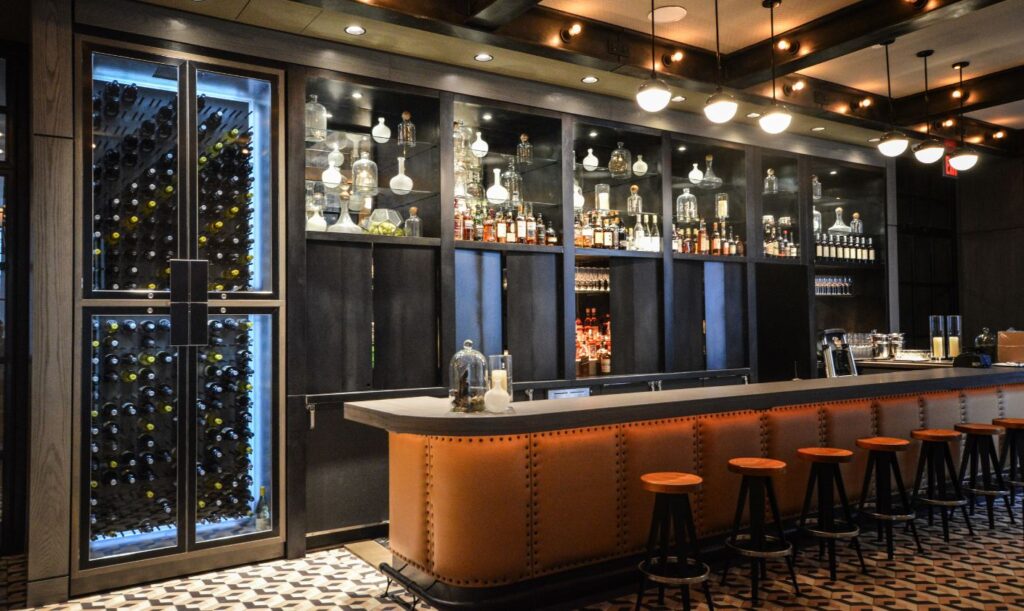
A wine collection deserves more than an attractive empty wall
A wine cellar often begins with one simple thought. The bottles need a better home. Yet storage soon becomes a question of space, access, light, temperature, and style. A dark basement corner may offer room but lack proper airflow. A dining room wall may look perfect but receive too much sun. We created this guide to help homeowners connect display choices with sound storage needs. The process becomes easier when it is focused on custom wine cellar design in Chicago, shaped around the room, bottle count, and how the collection is used. The right design can turn unused space into an organized feature without making the home feel like a retail store.
This guide covers room choice, bottle layout, cooling, lighting, and future growth. You will learn why a beautiful display still needs practical bottle access. We will also explain how Chicago’s changing seasons can affect a cellar placed near exterior walls. Modern systems can fit penthouses, brownstones, lofts, dining areas, and spaces beneath stairs. Some designs use floating displays, built-in storage, or glass enclosures to make the collection part of the room. The goal is not to display every bottle in the same way. It is to protect important wines while creating a space that feels natural within the home.
What should homeowners decide before drawing the layout
Begin with the collection rather than the shelving. Count the bottles you own and note the types you buy most. Standard bottles fit on many racks, but larger formats may require wider spacing. Decide which bottles should face forward and which can remain in bulk storage. Think about how often you entertain and whether guests will enter the cellar. These choices shape capacity, aisle width, and display height.
Review these planning points
- Current bottle count and expected future growth
- Bottle sizes that need special storage
- Space needed for case drawers or serving tools
- Access paths for selecting and replacing bottles
- A clear budget for cooling, lighting, and installation
Measure the room after doors, trim, vents, and outlets are marked. Do not treat every wall as usable storage. Cooling equipment and glass doors may need service clearance. A careful plan helps the cellar feel full without becoming crowded.
How can climate control protect wine through Chicago seasons
Chicago homes face hot summers and very cold winters. A cellar near an outside wall may feel those shifts more than an interior room. Stable conditions matter because repeated temperature swings can affect long-term wine quality. Insulation, sealing, and cooling should be planned as a single system. Glass walls may also affect the cooling load. The correct equipment depends on room size, construction, lighting, and surrounding temperatures.
- Seal the room before choosing the cooling unit
Air leaks make temperature control harder. Doors, walls, ceilings, and glass joints should close tightly. Good sealing also helps manage moisture.
- Match cooling capacity with the full space
Room size alone does not tell the whole story. Glass area, insulation, lights, and nearby rooms affect the load. A qualified designer should review those details.
- Plan where heat from the unit will go
Cooling equipment removes heat from the cellar and releases it elsewhere. That warm air needs a suitable route. Poor placement may make nearby rooms uncomfortable.
- Monitor conditions after installation
Use reliable temperature and humidity sensors. Check readings during both winter and summer. Early tracking can reveal small issues before they affect the collection.
Chicago energy rules also address insulation and mechanical ventilation in conditioned residential spaces, so local design and permitting requirements should be checked before construction.
Why should lighting and display choices support each other
Lighting changes how the cellar feels, but it should never create excess heat. Soft, low-heat fixtures can highlight labels, woodwork, and glass without overwhelming the room. Light placement should also help owners read bottles without having to move several at once. Shelf depth and bottle angle affect both visibility and storage capacity. A label-forward display feels dramatic, while horizontal storage can hold more bottles.
Useful design choices include
- Low-heat lighting placed away from bottle surfaces
- Separate areas for display wines and daily selections
- Drawers or case storage for less visible bottles
- Clear labels or sections for regions and vintages
- Dimming controls for evening use
Modern cellar trends favor clean proportions and curated presentation rather than filling every open inch with bottles. Still, the design should match the owner’s habits. A collector who opens bottles often needs faster access than someone storing wine for years. Beauty works best when it makes the collection easier to enjoy.
Let the cellar grow with the collection and the home
A successful wine cellar protects bottles while making the collection easier to understand. Good planning begins with capacity, room conditions, access, and future growth. Cooling, sealing, lighting, and storage must work together rather than compete for space. We suggest listing the wines you own, the bottles you hope to add, and the way you want the room to feel. Then compare each design choice with those three points. Leave some capacity open because collections tend to grow faster than expected. Give your bottles a space built with care, and let the finished cellar become a quiet part of the home worth returning to.