

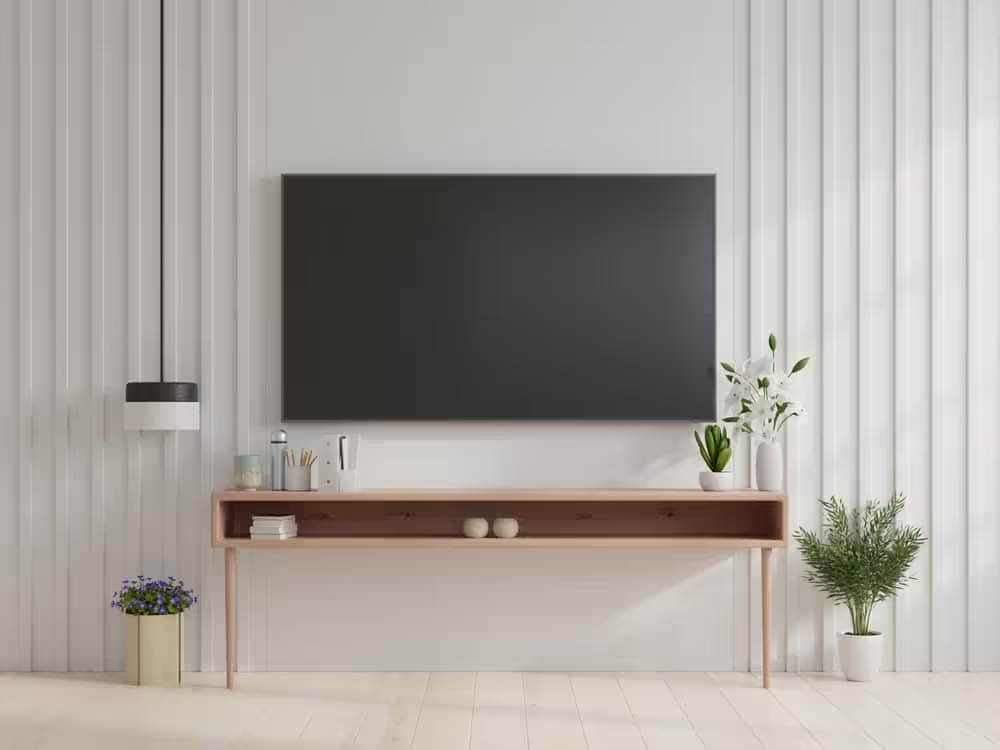
Mounting a flat-screen television to the wall creates an instant visual lift in any living room or bedroom. The display sits flush, viewing angles improve, and floor space opens up. Yet, the moment the tools are put away, the illusion of sleek minimalism often shatters against reality: a tangled waterfall of black power cords, HDMI cables, and streaming power bricks dangling down the center of the wall.
For homeowners hesitant to perform invasive modifications, as well as renters bound by strict security deposit leases, cutting holes into the drywall to drop cables behind the studs is out of the question. Running cords through an interior cavity also introduces strict local building codes regarding in-wall-rated power wiring, which frightens off many weekend DIY enthusiasts.
Fortunately, you do not need a drywall saw, fish tape, or patching plaster to create a clean, floating-screen aesthetic. By approaching cable management with a combination of surface disguises, peripheral consolidation, and smart room styling, you can render unsightly cords practically invisible without putting a single scar on your wall.
Paintable Surface Raceways: The Seamless Wall Disguise
Surface-mounted cable raceways—often called cord channels or wire tracks—are the gold standard for renter-friendly cable concealment. These rigid plastic or PVC channels attach directly to the exterior surface of your wall, enclosing the cables within a tidy conduit. When properly prepped and finished, they blend so thoroughly into the background that the casual observer never notices them.
Selecting the Right Profile and Capacity
The most common mistake when buying a raceway is selecting a profile that is too narrow. A standard entertainment setup typically requires routing at least three cords: a thick TV power cable, an HDMI lead for an audio receiver or gaming console, and perhaps an optical cable or auxiliary feed. Squeezing these into a half-inch channel will cause the cover to bow, pop open, or pull away from the wall.
Look for a channel with an interior width of at least one and a quarter inches. Raceways generally come in two styles: hinged, one-piece systems that snap shut along a flexible seam, and two-piece sliding tracks. The hinged models are significantly easier to service when you inevitably need to swap out an HDMI cable or add a new component later.
Proper Preparation for True Camouflage
Slapping a glossy white plastic strip onto a matte beige wall creates an eyesore almost as noticeable as the black cords it conceals. To make a raceway disappear, you must treat it like an architectural feature of the wall itself.
Begin by scuffing the slick exterior of the PVC channel with fine 150-grit sandpaper. This creates micro-grooves that give paint mechanical traction. Wipe away the plastic dust with a damp cloth, and apply a thin coat of bonding primer formulated for plastics.
Once the primer dries completely, paint the channel using the exact paint leftover from your wall, matching both the pigment and the sheen. If your wall is painted in an eggshell or flat finish, painting the raceway with the same can ensures that overhead ambient light bounces off the channel at the exact same angle as the surrounding drywall, eliminating reflective glare that reveals the plastic strip.
Safe Wall Mounting Techniques
Most consumer raceways come with a pre-applied strip of heavy-duty double-sided foam tape on the reverse side. Exercise caution here: commercial foam tape is notorious for tearing away drywall paper and leaving stubborn adhesive residue when removed.
If you rent, peel off the factory tape and replace it with quality removable adhesive hanging strips spaced every ten inches. Alternatively, secure the raceway base using a handful of micro-screws or thin finish nails driven at downward angles. Tiny pinholes left by finish nails take mere seconds to fill with a dab of spackle and require no sanding or repainting during lease move-out.
Relocating Peripherals Behind the Screen
The simplest way to hide unsightly television cords is to drastically reduce the number of wires that must travel down the wall in the first place. In a conventional media arrangement, streaming sticks, power supplies, external tuners, and smart home hubs sit on a console table below, requiring multiple long cables running up to the display.
By relocating these small accessories directly behind the TV screen, you can condense your down-wall cable drop to a single power cord.
Mount Streaming Devices Directly to the Chassis
Devices like Apple TVs, streaming boxes, network switches, and compact gaming adapters can be secured directly to the television’s rear mounting bracket using heavy-duty hook-and-loop tape or purpose-built plastic mounting cages that attach to open VESA screw holes on the back of the set.
Swap Factory Leads for Ultra-Short Cables
Eliminate cord clutter on the back panel by purchasing six-inch or one-foot HDMI cables. Instead of coiling four feet of excess wire behind the screen, connect your streaming device to the television input with a direct, ultra-short jumper.
Use the Screen’s USB Ports for Auxiliary Power
Many compact streaming sticks can draw sufficient power directly from the television’s built-in 5-volt USB service ports. If your TV model supports sufficient amperage over USB, your streaming stick will power on and off in tandem with the television, eliminating a separate wall-wart power plug entirely.
Consolidating with Ultra-Thin Extension Systems and Fabric Sleeves
When multiple cords must inevitably make the descent from the bottom of your television to a floor-level electrical outlet, grouping them tightly turns a chaotic web of wires into a single, structured line.
Flexible Braided Sleeves
Instead of letting four distinct cables hang loosely at different tensions, bundle them inside a flexible braided cable sleeve. These split-tubing sleeves feature an overlapping self-coiling design that wraps tightly around bundles of wires.
Braided sleeves come in white, black, gray, and woven neutral textures. A slim white braided sleeve running straight down against a light gray or off-white wall reads visually as a deliberate architectural line rather than messy technology. Unlike rigid plastic conduits, flexible sleeves can curve gently around obstacles and flex easily if you have a full-motion, articulating wall mount that pivots outward from the wall.
The Low-Profile Flat Plug Approach
Standard three-prong television power cables terminate in thick, protruding rubber plugs that jut out two to three inches from the wall receptacle. This forces nearby furniture outward and leaves the bright outlet plate exposed to view.
Consider incorporating an ultra-thin, flush-mount outlet cover with an integrated extension cord. These devices snap over your existing dual-gang electrical outlet, replacing the exposed plugs with a paper-thin faceplate that sits virtually flush with the baseboard. A flat, white ribbon cord travels discreetly along the wall or baseboard trim to a multi-outlet hub hidden underneath your media credenza, keeping heavy plugs concealed and leaving the wall plane clean.
Strategic Furniture Placement and Visual Camouflage
Interior designers frequently resolve technological eyesores through distraction, sightline redirection, and intentional furniture layering. If you prefer not to attach conduits or adhesives to your paint, let your room decor do the heavy lifting.
Anchor the TV with a Low-Profile Credenza
Even when a television is firmly attached to the wall, placing a low, wide media credenza directly beneath it provides essential visual weight. A console that sits roughly twenty-four to thirty inches tall significantly reduces the vertical distance between the bottom of the TV screen and the tabletop surface. Instead of a conspicuous four-foot drop, cables only have to bridge a brief twelve-to-eighteen-inch span.
Use Intentional Vertical Styling to Block the Sightline
Bridge that narrow gap by styling the console top with high-profile decorative objects centered along the television’s vertical axis. A sleek, wall-mounted soundbar installed just two inches beneath the television bezel completely covers the exit point of dropping cords. Alternatively, an asymmetrical collection of hardcover design books, a ceramic vase with tall dried eucalyptus branches, or a piece of framed artwork leaning gracefully against the wall will obscure the cords from every standard seating angle in the room.
Incorporate Decorative Slat or Shiplap Accent Panels
For an elevated, high-end design solution, construct a shallow, floating accent wall behind your television using modular wood slat panels or pre-finished tongue-and-groove boards. Modern felt-backed acoustic slat panels can be hung using a couple of picture-hanging brackets or minimal brad nails. The recessed channels between the vertical slats provide natural chasms where dark cables can sit completely out of view without cutting a single inch into your structural drywall.
Routing Along Natural Architectural Boundaries
Human eyes are naturally drawn to interruptions across broad, flat surfaces. A dark cable running down the center of an expansive, open wall stands out immediately because it breaks the uninterrupted plane. Conversely, items placed parallel to existing structural trim and moldings blend seamlessly into the background.
Whenever you must guide wires along a room’s perimeter, follow the lines the architecture already provides:
-
Tuck cords along the outer casing of door frames and window sills. Running a wire tightly along the vertical edge of a decorative door jamb makes it read as an intentional shadow line rather than loose cabling.
-
Utilize baseboard cable raceways. Specialized baseboard conduits are molded to resemble traditional quarter-round or shoe molding. These attach at floor level, routing cables horizontally across the entire width of a room without appearing to be electronics equipment.
-
Ride the interior corners. Running a single vertical conduit tightly into the interior ninety-degree corner of a room renders it nearly invisible, as the natural corner shadow swallows the edges of the channel.
Achieving a Clean Finish with Zero Wall Damage
Hiding TV wiring does not require an electrician’s license, specialized construction skills, or a compromise on your rental security deposit. By bundling loose wires into braided sleeves, minimizing drops through smart device placement behind the panel, and utilizing color-matched surface raceways, you can achieve the sleek, polished media setup you envisioned when you first hung your screen. With a small investment of time and thoughtful spatial planning, your entertainment wall can look completely custom, sophisticated, and pristine.